

Debunking Myths and Fears About Dental Procedures: A Friendly Guide to Calm Your Nerves

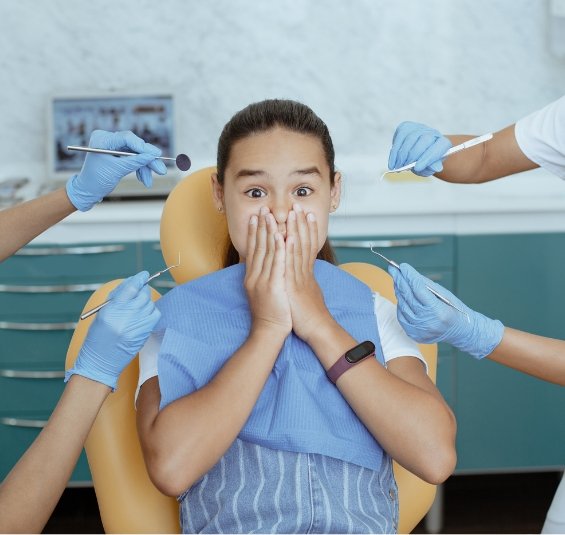
Visiting the dentist can sometimes evoke feelings of anxiety or fear, often fueled by myths and misconceptions. Many people avoid necessary dental care because of outdated beliefs or exaggerated stories that have circulated over time. The good news is that modern dentistry has advanced significantly, making procedures safer, quicker, and more comfortable than ever before. This blog aims to clear up common myths and fears surrounding dental treatments, helping you approach your next appointment with confidence and peace of mind.


Myth 1: Dental procedures are extremely painful

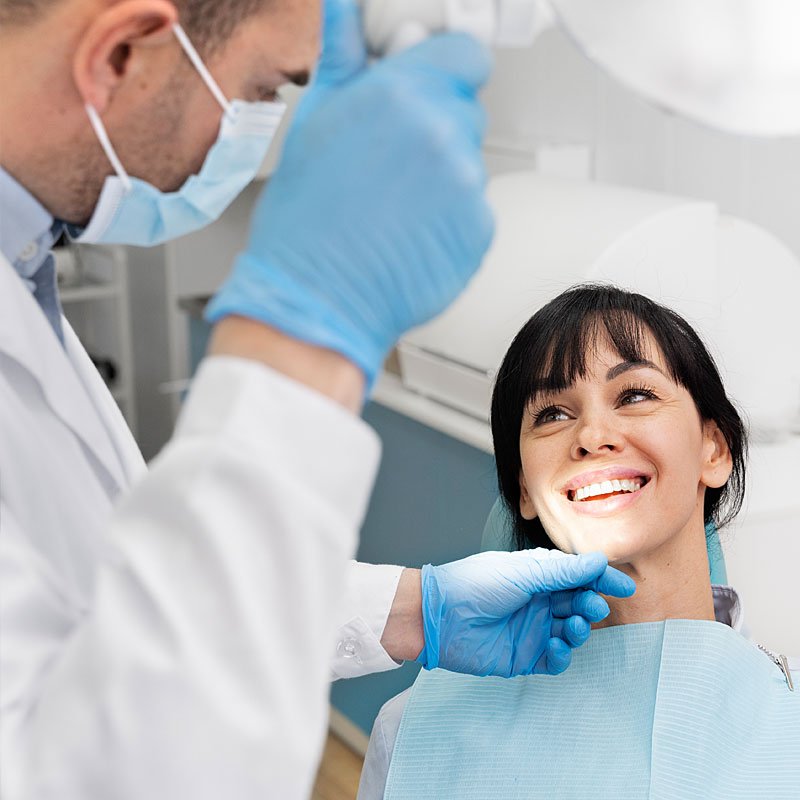
One of the most widespread misconceptions about dental work is that it’s unbearably painful. While some procedures may cause mild discomfort, the reality is that modern anesthesia and pain management techniques significantly minimize any pain experienced during treatment. Dentists now use local anesthetics to numb specific areas, ensuring patients feel little to no sensation during procedures. Additionally, advancements like sedation dentistry allow even the most anxious patients to relax comfortably throughout their visit. It’s essential to remember that untreated dental issues often lead to more pain later on; addressing problems early typically results in a more comfortable experience overall.
- Modern anesthetics are highly effective at eliminating pain
- Sedation options like nitrous oxide or oral sedatives help anxious patients relax
- Discomfort during procedures is generally minimal and temporary
- Dentists prioritize patient comfort as a core part of care
Feeling reassured that pain can be managed effectively should motivate you to seek timely dental care rather than avoiding it out of fear.
Myth 2: Dental visits are only for fixing problems, not prevention
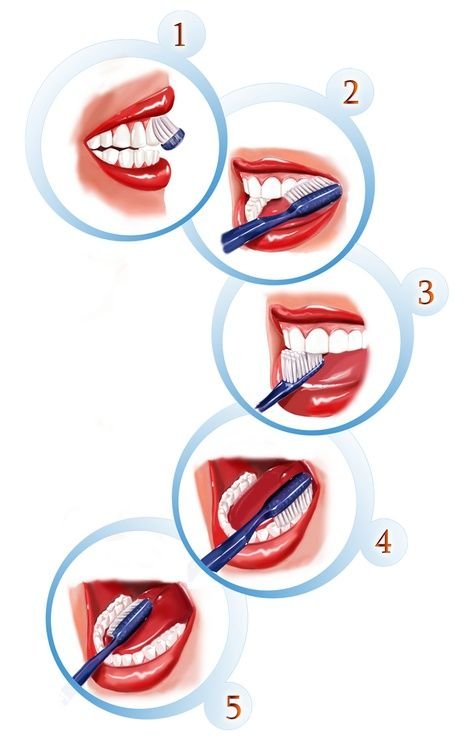
Many believe that dental visits are only necessary when experiencing toothaches or visible issues. However, routine check-ups play a vital role in preventing serious oral health problems before they develop. Regular cleanings and examinations allow dentists to identify early signs of decay, gum disease, or other concerns that might not yet be noticeable. Preventive care helps save you from more invasive and costly treatments later on. Moreover, maintaining good oral hygiene habits at home complements professional care by reducing plaque buildup and bacterial growth.
- Regular exams catch issues early before they worsen
- Professional cleanings remove plaque and tartar effectively
- Preventive visits reduce the risk of cavities and gum disease
- Early detection leads to simpler, less invasive treatments
By prioritizing preventive care, you're investing in healthier teeth and gums for years to come.
Myth 3: Dental procedures cause long-term damage
Some individuals worry that undergoing dental work can weaken teeth or harm their overall oral health permanently. This misconception often stems from stories of overtreated or improperly performed procedures. In reality, licensed dentists follow strict protocols designed to preserve your natural teeth whenever possible. Procedures like fillings, crowns, or root canals aim to restore function while maintaining tooth integrity. When performed by qualified professionals using quality materials, these treatments support long-term oral health rather than damaging it.
- Dentists follow evidence-based practices for restorations
- Restorative procedures strengthen compromised teeth
- Properly done treatments help prevent future damage
- Advances in technology make procedures safer and more durable
Understanding that these interventions are meant for preservation can help alleviate fears about long-term harm.
Myth 4: Dental x-rays are dangerous due to radiation exposure
Another common myth revolves around dental X-rays being harmful because of radiation exposure. While it’s true that X-rays involve radiation, modern digital imaging techniques use very low doses—much lower than everyday sources like sunlight or household appliances. Dentists take precautions such as lead aprons and thyroid collars to further minimize exposure. These images are crucial for detecting hidden issues like cavities between teeth or bone loss around roots that aren’t visible during a visual exam.
- Digital X-rays emit minimal radiation compared to older film versions
- Protective gear reduces exposure even further
- Regular imaging helps catch problems early for better outcomes
- The benefits outweigh the small risks involved
Rest assured that safety standards ensure your X-ray experience is both quick and safe.
Myth 5: All dental procedures require extensive recovery time
Many fear that dental treatments will leave them incapacitated for days with painful recoveries. While some invasive surgeries may require rest periods, most common procedures such as fillings or cleaning sessions involve minimal downtime. Dentists design treatments with efficiency in mind so patients can return promptly to daily activities. If any discomfort occurs afterward, it’s usually manageable with over-the-counter medications and subsides quickly.
- Routine treatments often require no significant recovery period
- Post-procedure soreness is typically mild and short-lived
- Clear instructions help manage minor side effects effectively
- Most patients resume normal routines within a day or two
Knowing that recovery isn’t lengthy can encourage you to pursue necessary dental care without unnecessary hesitation.
Wrapping Up: Embracing Modern Dentistry With Confidence
Dispelling myths about dental procedures empowers you to approach your oral health proactively rather than out of fear. Advances in technology, anesthesia, safety protocols, and patient-centered care have transformed dentistry into a much less intimidating experience than many believe. Remember that regular visits not only maintain your smile but also prevent future complications—saving you discomfort and money down the line. By understanding the truth behind common misconceptions, you’re better equipped to make informed decisions about your dental health with confidence and ease.
Your smile deserves care without fear—trust in modern dentistry’s ability to provide safe, effective treatment tailored just for you!