

Dentistry and Ignorance: The Oral Truths We Love to Ignore / दंतचिकित्सा और अज्ञानः मौखिक सत्य जिन्हें हम अनदेखा करना पसंद करते हैं

Imagine walking into a dental office and hearing someone say, “I brush my teeth with sugar because it tastes better.” Or perhaps witnessing someone proudly announce they haven’t seen a dentist in years because “my teeth are fine.” Welcome to the wild, sometimes hilarious, world of dentistry intertwined with human ignorance. While oral health might seem straightforward—brush, floss, rinse—there’s a surprising amount of misinformation, myths, and downright bizarre beliefs floating around. This blog aims to shine a humorous spotlight on how ignorance about dentistry can lead us down some pretty funny, sometimes alarming rabbit holes. But don’t worry—we’re here to laugh at ourselves while also learning a thing or two about keeping those pearly whites in tip-top shape.

The Myth of the “Natural” Toothbrush: Why People Still Believe Tree Branches Are Better Than Toothpaste
When it comes to dental hygiene, many folks still cling to ancient tools like tree branches or sticks instead of modern toothbrushes. The idea that biting down on a chew stick is enough for good oral health persists even today. Dentistry experts have long debunked this myth, emphasizing that while natural methods can remove some plaque, they don’t replace the benefits of fluoride toothpaste or electric brushes. Using just a twig may remove surface debris but often leaves behind bacteria lurking in hard-to-reach spots. Plus, improper use can cause gum injuries or even damage enamel. Despite all this, some people swear by their “natural” approach because they believe it’s safer or more authentic—ignoring scientific evidence that shows modern tools are far more effective.
- Examples include using miswak sticks without proper technique
- Believing that herbal pastes substitute for fluoride toothpaste
- Assuming traditional methods have no side effects or risks
- Relying solely on natural remedies despite proven benefits of modern dentistry
Ultimately, clinging to outdated tools out of ignorance can compromise oral health unnecessarily. Modern toothbrushes are designed based on extensive research—they’re not just convenient but essential for maintaining healthy teeth and gums.
Sugar is Sweet, So Why Not Just Eat It All? The Dangerous Dance with Dental Decay
One of the most persistent misconceptions in dentistry is the idea that sugar isn’t really that bad—after all, it’s delicious! Many people justify frequent candy consumption or sipping sugary drinks because they think their teeth can handle it as long as they brush afterward. Unfortunately, this ignorance ignores the science behind cavities: bacteria in your mouth feed on sugar and produce acids that erode tooth enamel over time. The more sugar you consume without proper oral hygiene, the greater your risk of developing painful cavities and gum disease. Some believe rinsing with water after sweets cancels out damage; however, research shows that acids from bacterial metabolism stick around longer than you think.
- Constant snacking on candy bars throughout the day accelerates decay
- Belief that brushing immediately after eating sugar prevents cavities (but brushing right after acid exposure can damage enamel)
- Drinking sugary sodas without rinsing or flossing increases cavity risk
- Overlooking hidden sugars in processed foods like cereals and dressings
Ignoring these facts means willingly inviting dental disasters into your life—so next time you reach for that chocolate bar, remember: moderation is key.
Flossing? Nah, I’ll Just Use My Finger! How Ignorance About Flossing Hampers Oral Hygiene
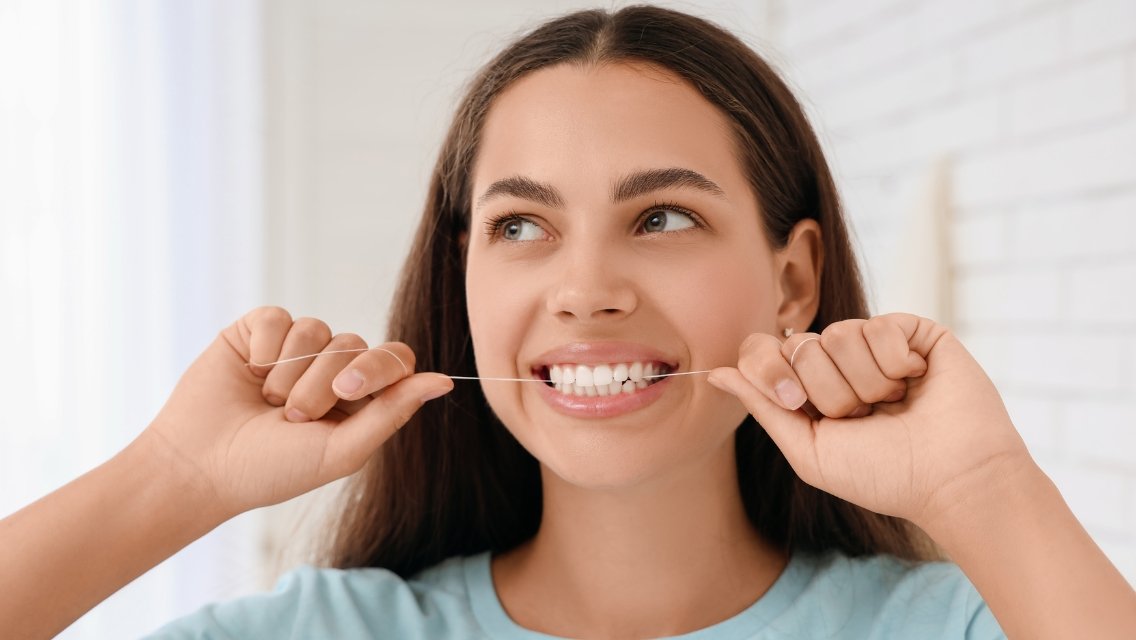
Many folks dismiss flossing as an unnecessary hassle or believe their fingers do the job just fine. That’s where ignorance takes center stage—assuming that if your teeth look clean in the mirror, you’re good to go. But dental professionals stress that flossing reaches areas toothbrushes can’t access—particularly between teeth and under the gumline—where plaque accumulation leads to cavities and periodontal disease. Ignoring flossing allows bacteria and food particles to linger unnoticed until problems become visible or painful. Some people think flossing causes bleeding and therefore avoid it altogether; what they don’t realize is that bleeding often indicates inflammation caused by plaque buildup—a sign they should actually be flossing more diligently.
- Skipping floss leads to increased tartar formation
- Believing fingers are sufficient for cleaning between teeth
- Thinking flossing damages gums (when done correctly)
- Avoiding floss due to discomfort rather than addressing underlying issues
In essence, neglecting flossing is like leaving trash behind—you might get away with it temporarily but eventually everyone notices—and so does your mouth.
Wisdom Teeth Woes: Ignorance About Their Role and Removal Risks
Wisdom teeth are often misunderstood; many see them as pesky invaders rather than integral parts of our evolution and anatomy. Some individuals ignore potential issues until pain strikes or infections set in, believing removal is optional or unnecessary unless there’s extreme discomfort. However, dentists warn that wisdom teeth frequently cause crowding, impaction, cysts, or infections if left unchecked—even if you’re not experiencing pain now. Ignorance about their function leads some to delay extraction until complications arise dramatically. Conversely, others opt for premature removal out of fear or misinformation—missing out on potential benefits of keeping them if they’re healthy.
- Assuming wisdom teeth aren’t important because they’re ‘vestigial’
- Believing removal always involves painful surgeries (modern techniques are much less invasive)
- Ignoring signs like swelling or difficulty opening mouth
- Relying solely on pain as an indicator rather than regular check-ups
Understanding wisdom teeth helps prevent unnecessary suffering—and saves money—and underscores how ignorance hampers proactive dental care.
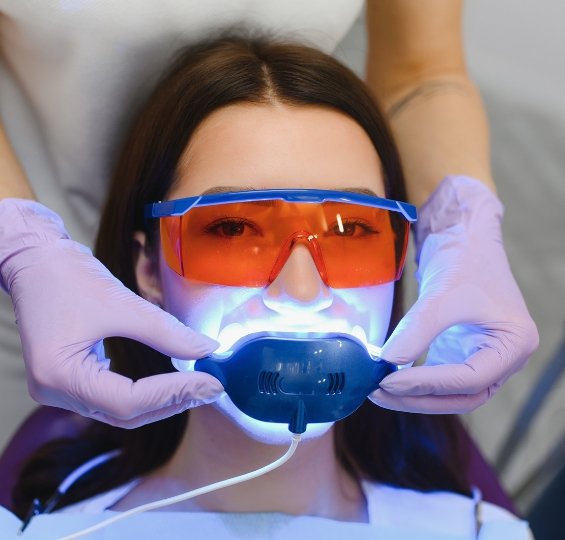
Whitening Myths: Bright Smiles Without Any Real Effort?
The obsession with white teeth has led many into believing whitening treatments are magic potions capable of transforming dull smiles overnight without any side effects—or effort at all. This misconception fuels demand for over-the-counter products that promise Hollywood-level results but often fall short or cause sensitivity when misused. Some people think natural remedies like lemon juice or baking soda are safe alternatives; however, these acidic substances can erode enamel if used excessively. Ignorance about proper whitening procedures can lead to uneven coloration or permanent damage to tooth structure—a costly mistake driven by wishful thinking rather than science.
- Believing DIY whitening is as safe as professional procedures
- Overusing whitening strips leading to tooth sensitivity
- Assuming all discoloration can be fixed without consulting a dentist
- Thinking natural ingredients are always harmless
A well-informed approach involving professional guidance ensures safe whitening results while preserving oral health integrity.
Dental Phobia: When Fear Turns Into Ignorance-Fueled Avoidance
Dental anxiety affects millions worldwide—and often leads to avoidance fueled by misconceptions about what happens during procedures. Many believe dental visits will inevitably be painful or embarrassing—that’s where ignorance feeds fear instead of facts providing reassurance through anesthesia options and gentle techniques. Avoidance worsens dental problems over time because minor issues grow into major ones when ignored—yet some still delay appointments out of unfounded fears rooted in stories heard from others or media portrayals. Recognizing these myths enables better understanding: modern dentistry emphasizes comfort and patient care above all else.
- Believing only sedation dentistry works (when many dentists use local anesthesia effectively)
- Fearing judgment from staff due to appearance or habits
- Thinking dental procedures are excruciatingly painful (most are minimally invasive today)
- Avoiding regular checkups which could prevent bigger problems later
Conquering dental fear involves education—understanding what actually occurs at appointments reduces irrational fears born from ignorance.
The Costly Consequences of Dental Ignorance
All these misconceptions highlight one crucial point: ignoring accurate information about dentistry can be costly—not just financially but in terms of overall health and quality of life. Dental ignorance often leads individuals down paths where simple preventive measures could have saved them significant pain and expense later on. For example, neglecting routine cleanings allows plaque buildup which then requires costly procedures like root canals or extractions down the line. Similarly, underestimating the importance of early treatment for cavities can result in needing crowns or implants instead of simple fillings initially affordable and less invasive.
- Regular dental visits save money by catching issues early.
- Proper oral hygiene practices prevent serious diseases.
- Educating oneself reduces fear-driven avoidance.
- Investing in preventive care pays off long-term.
Understanding the importance of being informed empowers us all to make smarter choices—saving us from unnecessary suffering and expense caused by plain old ignorance.
A Final Word on Dentistry and Ignorance: Don’t Brush Off Your Oral Health!
In conclusion, humor aside, ignorance about dentistry isn’t just amusing—it’s dangerous! From believing outdated myths about tools and treatments to ignoring warning signs due to misinformation, many humans unknowingly sabotage their own oral health each day. Education remains our best weapon against this widespread complacency; knowledge transforms fear into confidence and myths into facts. Remember: your smile deserves respect—and being well-informed makes sure it stays bright and healthy for years to come! So next time someone tells you sugar doesn’t matter or floss isn’t necessary—smile knowingly knowing the real story behind dentistry’s truths (and myths).